
Why social connection matters in assisted living
Assisted living can support social connection by making everyday interaction easier, more predictable, and more accessible. Residents often have regular opportunities to talk with neighbors, participate in activities, share meals, and maintain relationships with family members.
Social connection is more than having a busy calendar. It includes feeling recognized, included, useful, and comfortable around other people. For older adults, these experiences can help reduce loneliness and create a stronger sense of belonging.
A move to assisted living may be considered after changes in mobility, health, transportation, or household responsibilities. Those changes can also reduce opportunities for informal contact. A person who once spoke with neighbors, attended community events, or regularly visited friends may begin spending more time alone. A supportive residential setting can help restore some of those daily connections.
How does assisted living reduce isolation?
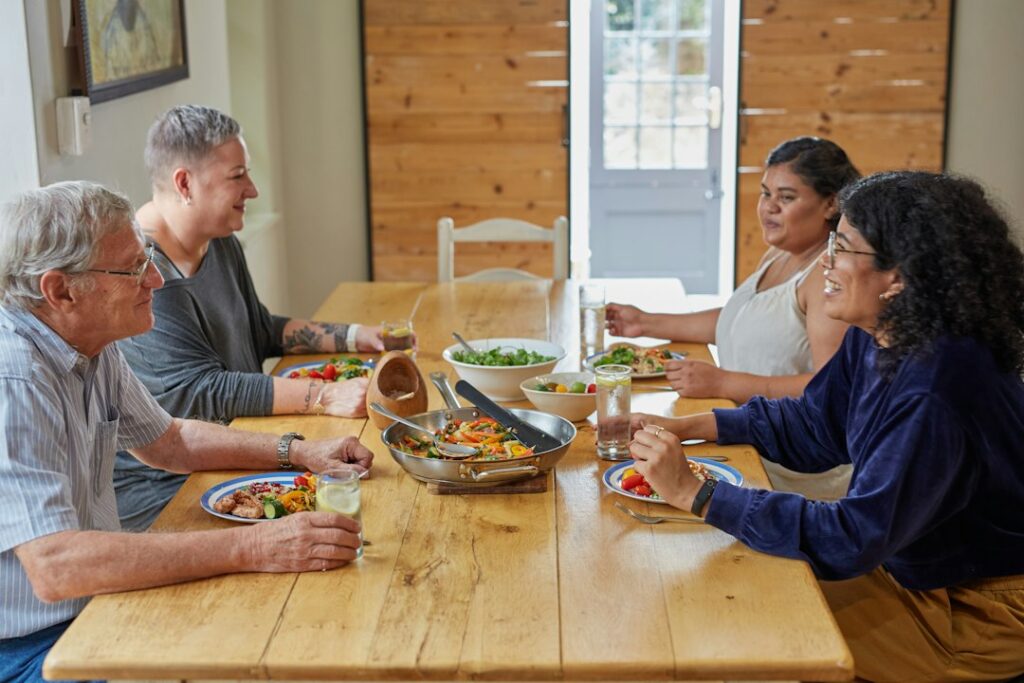
Assisted living reduces isolation by placing social opportunities near a resident’s home rather than requiring frequent travel or complicated planning. Shared dining areas, lounges, activity rooms, outdoor spaces, and hallways can create natural opportunities for conversation.
This structure can be especially helpful for residents who no longer drive or who find winter weather, summer heat, or icy walking conditions difficult to manage in Manheim. Social participation does not have to depend entirely on arranging transportation or coordinating visits.
Common opportunities may include:
- Shared meals and casual conversations
- Exercise, stretching, or movement groups
- Games, crafts, music, or discussion groups
- Religious, cultural, or seasonal gatherings
- Outdoor walks and time in gardens or courtyards
- Movie viewings, educational talks, or reading groups
- Small celebrations for birthdays and community milestones
Not every resident enjoys large gatherings. Smaller activities and brief conversations can be just as meaningful. A resident may prefer sitting with one or two people during a meal rather than attending a crowded event.
What kinds of relationships can residents develop?
Residents may form several types of relationships, including friendships with peers, familiar connections with staff members, and renewed relationships with family. These relationships often develop through repeated, low-pressure contact.
Friendships may begin with a shared interest, similar life experience, or simple routine. Two residents might sit near each other at meals, attend the same activity, or discover that they enjoy talking about gardening, local history, music, cooking, grandchildren, or former work.
Staff members can also contribute to a socially connected environment. Consistent, respectful interaction helps residents feel known as individuals rather than treated only according to their care needs. Remembering a resident’s preferred breakfast, favorite subject, or usual activity can support a sense of familiarity.
Family relationships may become more relaxed when relatives are no longer the only source of daily assistance. Visits can focus more on conversation, shared hobbies, and time together instead of transportation, household chores, or urgent problem-solving.
Can assisted living help people who are shy or hesitant?
Yes. Social connection does not require an outgoing personality. Many residents need time to observe a new setting before joining activities or starting conversations.
A gradual approach may work better than encouraging immediate participation. Helpful first steps can include:
- Eating one meal in a shared dining area
- Sitting near an activity without taking part at first
- Joining a small group based on a personal interest
- Greeting the same neighbors or staff members each day
- Inviting one person to share coffee, a puzzle, or a short walk
- Participating in familiar seasonal routines
Residents should be allowed to choose the pace and type of interaction that feels comfortable. Privacy and quiet time remain important. A healthy social environment offers invitations without treating participation as an obligation.
How do activities support meaningful connection?
Activities support meaningful connection when they encourage conversation, cooperation, memory-sharing, or a sense of contribution. Simply filling time is not the same as building relationships.
For example, a cooking demonstration may lead residents to exchange family recipes. A music program may prompt stories about concerts, dancing, or favorite songs. A gardening activity can give participants a shared task and an opportunity to discuss plants, weather, and past experiences.
Activities are often more engaging when they are adapted to different abilities. A person with limited mobility may still participate in a gardening discussion, select materials for a craft, keep score during a game, or help choose music. Meaningful involvement does not always require physical activity.
Seasonal programming can also help residents maintain familiar rhythms. Spring planting, summer outdoor gatherings, autumn crafts, and winter social events may provide continuity for people who have spent much of their lives following seasonal household and community routines.
What if a resident has hearing, vision, memory, or mobility changes?
Social activities are more effective when communication and the physical environment are adapted to the resident. Hearing difficulty, vision changes, memory loss, fatigue, and mobility limitations can make group settings harder to navigate.
Useful adjustments may include:
- Choosing quieter spaces for conversation
- Ensuring good lighting without excessive glare
- Using clear, direct language
- Allowing extra time for responses
- Offering chairs with arms and stable walking paths
- Providing large-print materials when needed
- Keeping activities consistent and easy to understand
- Limiting background noise during discussions

A resident who appears uninterested may actually be struggling to hear, follow instructions, see materials, or reach the activity area. Identifying the barrier can make participation more comfortable.
Residents with memory changes may benefit from familiar music, repeated routines, simple choices, and activities connected to earlier interests. The goal is not to test memory but to create comfort, recognition, and shared enjoyment.
How can families strengthen social connections?
Families can support connection by learning what types of interaction the resident finds enjoyable rather than assuming every visit should follow the same pattern. A quiet conversation, shared snack, photo album, card game, or short walk may be more comfortable than a long or crowded gathering.
Regular contact is often more helpful than occasional visits that are difficult to plan. Phone calls, video conversations, letters, photographs, and small personal items can help maintain connection between in-person visits.
Family members can also share useful information about the resident’s interests, routines, communication style, and past experiences. These details may help others find natural conversation topics and activities.
Visits should account for energy levels and personal preferences. Some residents may enjoy morning visits, while others are more alert later in the day. A shorter visit that ends comfortably may be more positive than an extended visit that causes fatigue.
Does assisted living guarantee that a resident will never feel lonely?
No. Assisted living creates opportunities for connection, but it does not eliminate loneliness automatically. A resident may still miss a spouse, former home, familiar neighborhood, pets, work roles, or long-standing friends.
Loneliness can also occur in a crowded setting. A resident may attend activities without feeling personally connected, or may avoid events because of anxiety, grief, health changes, or past social experiences.
Signs that additional attention may be needed include a noticeable decline in participation, frequent expressions of sadness, changes in eating or sleeping, increased irritability, or spending nearly all day alone. These changes deserve compassionate discussion with the resident and appropriate care staff. Emotional well-being is part of overall health and should not be dismissed as simply an adjustment issue.
What should families ask about social life before a move?
Families can ask practical questions about how residents actually spend their days. Useful questions include:
- What activities are offered on ordinary weekdays?
- Are there options for small groups and quiet conversations?
- How are residents introduced to others after moving in?
- Can residents suggest or lead activities?
- Are family visits flexible?
- How are activities adapted for hearing, vision, memory, or mobility needs?
- Are outdoor spaces usable during different seasons?
- How are new residents supported if they are hesitant to participate?
For households in Manheim, it may also be useful to consider how seasonal weather, walking conditions, and transportation affect visits and community participation. Social connection is strongest when opportunities remain practical throughout the year.
A successful transition is not measured by how many events a resident attends. It is better reflected in whether the resident has familiar faces, meaningful routines, respectful support, and at least a few opportunities to feel connected each day.
